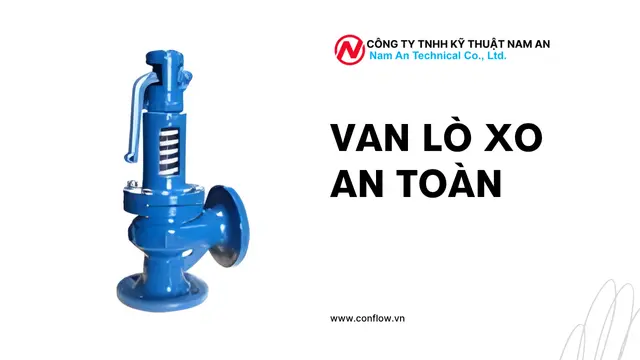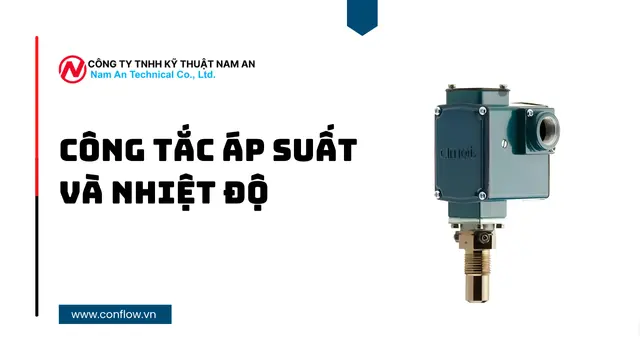


Valves – An Important Role in Piping Systems
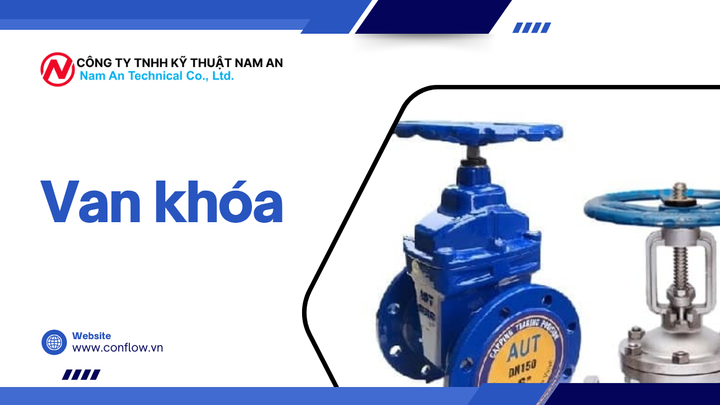
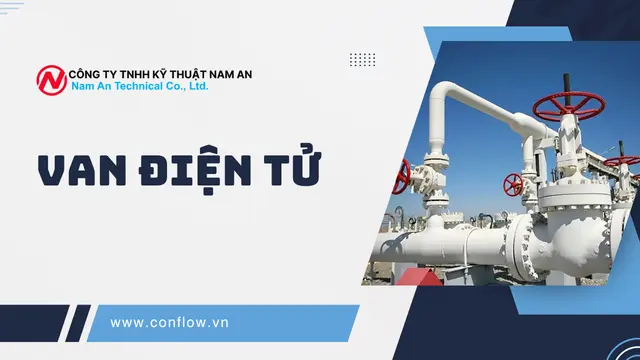
Valves are an important device in piping systems, used to stop or adjust the flow of liquids, gases, vapors, or solids. Thanks to their flexible opening and closing capabilities, valves ensure safety and efficiency for industrial, civil, and applications in many different fields. From the oil and gas industry, food, to applications in the processing and water treatment industries, valves play an essential role in maintaining system stability.
Structure and Operating Principle of Valves
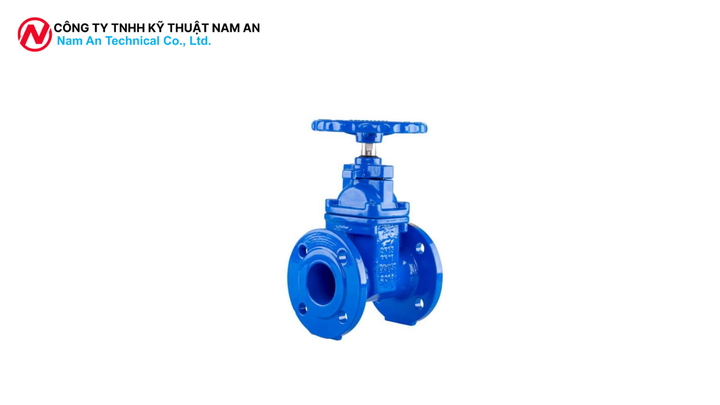
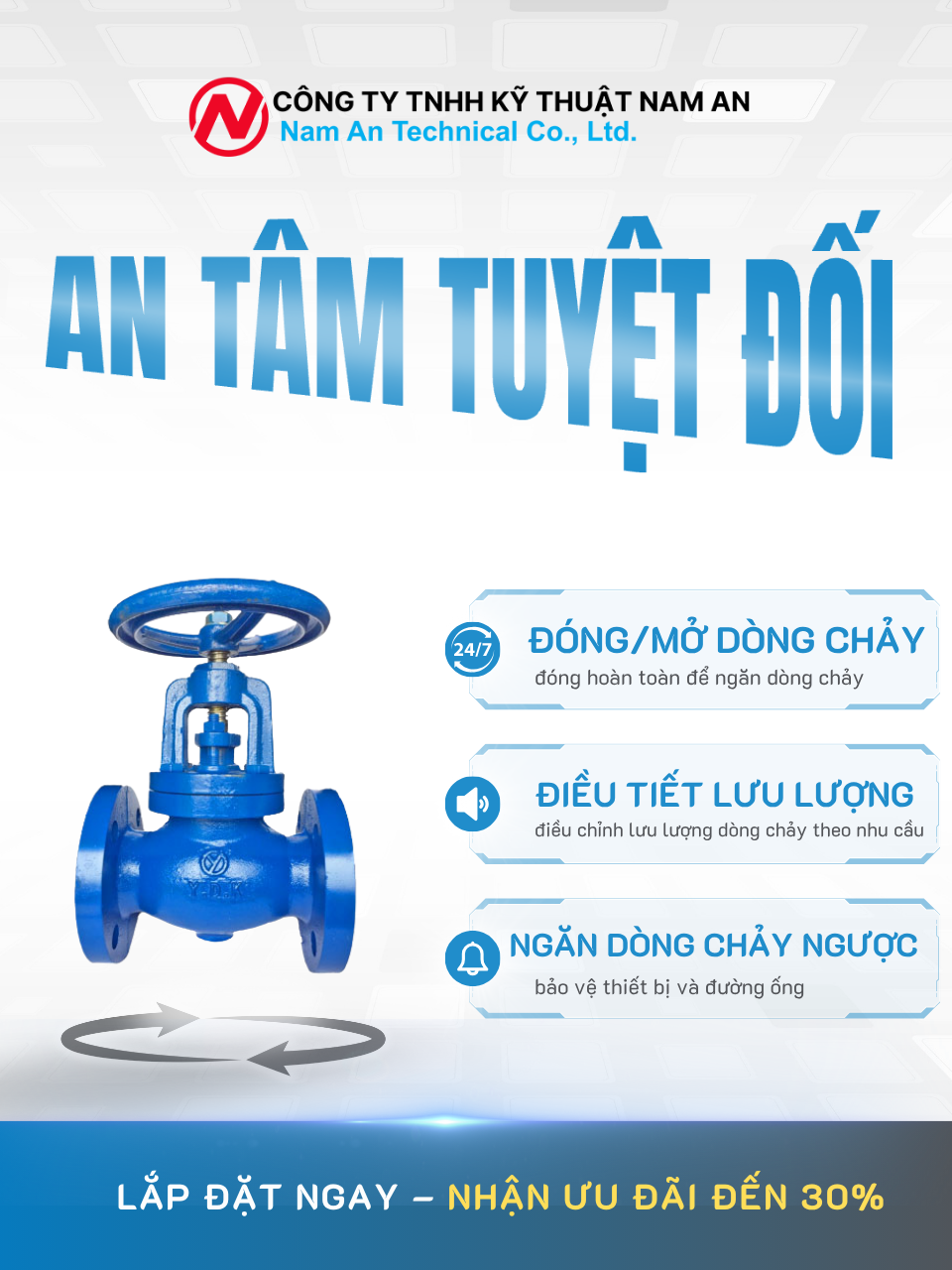
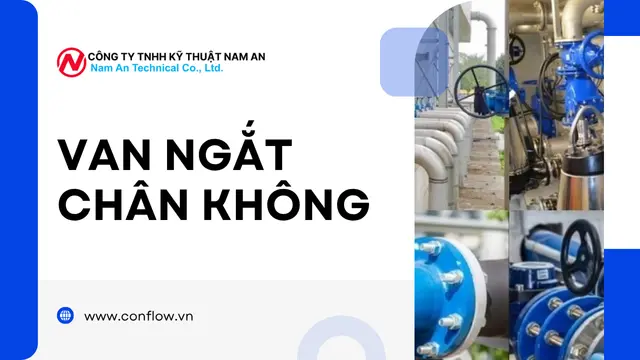
Valves are usually made up of main parts such as the valve body, handwheel or controller, and sealing components. These parts work together to ensure that the valve can close or open accurately, helping to regulate the flow of substances through piping systems.
When a valve is closed, the liquid or gas will be completely stopped, preventing it from continuing to flow through the system. When opened, liquid or gas will be allowed to flow according to the requirements of the system. Current types of valves can use handwheels, electric controllers, or hydraulics to perform opening and closing operations, depending on the specific application of each system.
Benefits of Using Valves in Piping Systems
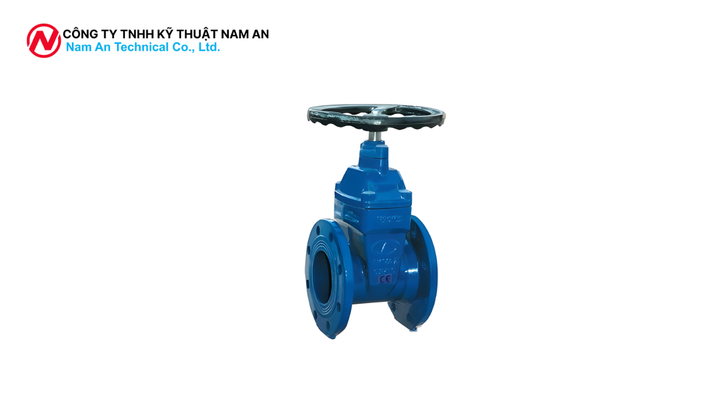
Precise Flow Control
Valves allow users to control the flow of liquid or gas in the system accurately. By adjusting the valve, operators can easily change the flow rate as needed without causing disruption or risk to the system.
Ensure System Safety
In many cases, maintaining stable pressure and flow in the piping system is very important to ensure the safety of equipment, machinery, and people. Valves help stop the flow of liquid or gas when needed, avoiding incidents that may occur due to excessive pressure or unwanted leaks.
Save Costs and Energy
Using valves helps save system operating costs by ensuring that only the necessary amount of substance is used. This helps minimize energy and resource waste, while also extending the lifespan of equipment in the system.
Enhance Operating Efficiency
When using valves, the system can operate more stably and efficiently. Precisely controlling the flow of substances helps the equipment in the system operate at optimal efficiency, minimizing wear and damage.
Common Types of Valves
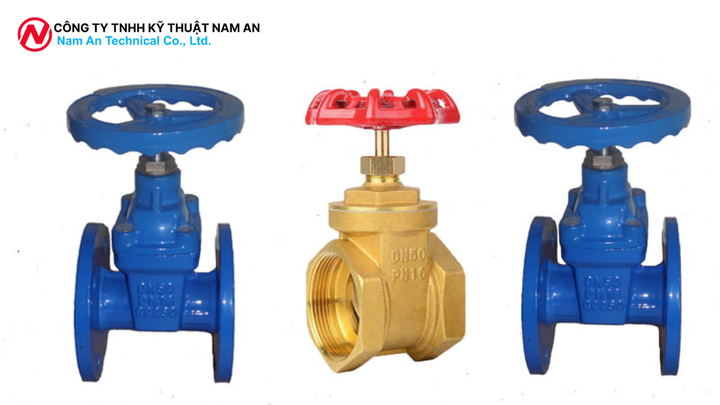
Gate Valve
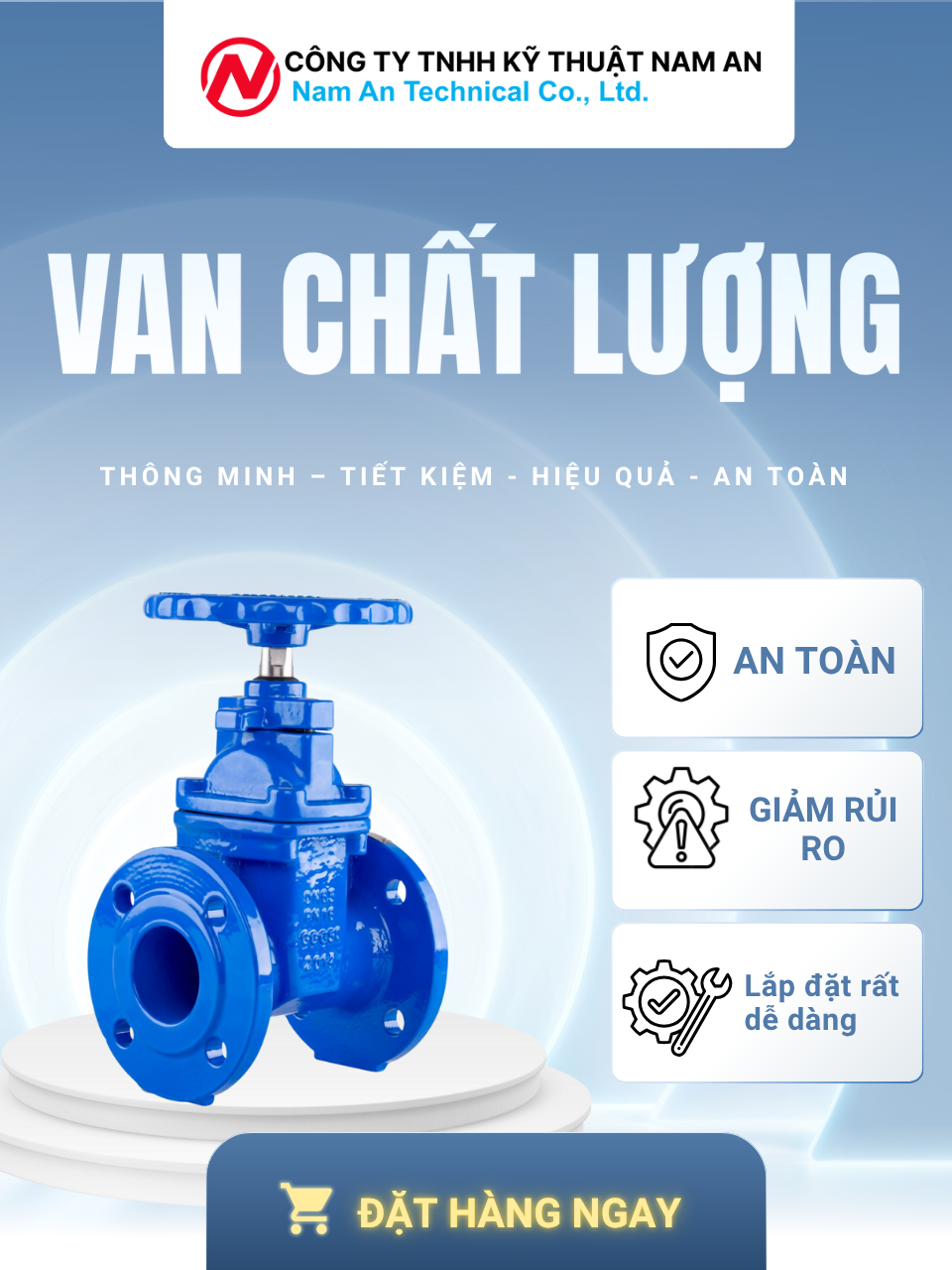
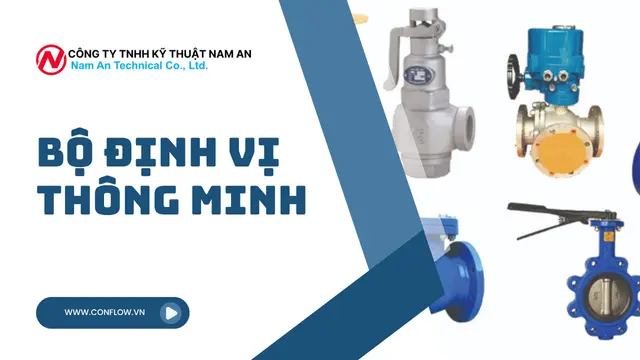
Gate valves are commonly used to regulate the flow of liquid or gas in industrial systems. When a gate valve is fully open, it allows the flow of liquid or gas through the system without any obstruction. When closed, the valve creates a complete stop, preventing liquid or gas from passing through.
Ball Valve
Ball valves are a type of valve that can be used in applications that require quick opening and closing. Ball valves operate by rotating a ball containing a hole to control the flow of material. When the ball rotates 90 degrees, the hole will open to allow liquid or gas to pass through. When the ball returns to the closed position, the flow will be completely stopped.
Butterfly Valve
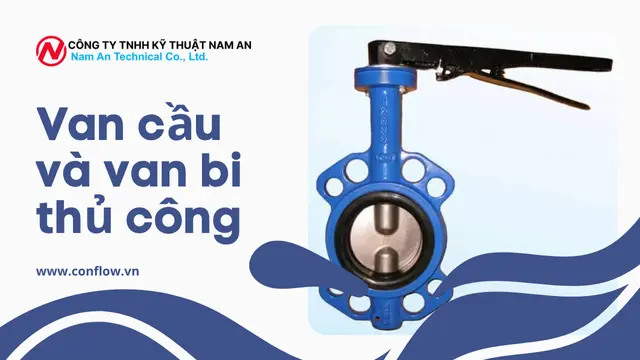
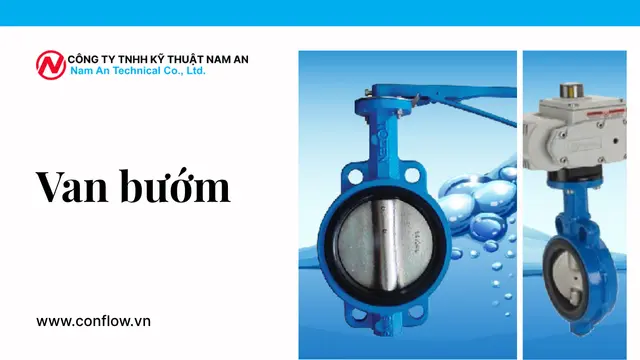
Butterfly valves regulate flow by using a circular metal disc. When rotated, the disc opens or closes, helping to control the flow through the system. Butterfly valves can be fully open or tightly closed, saving space and easily adjusting flow.
Steam Valve
Steam valves are used in steam and heat systems. This valve helps adjust and control the flow of steam, ensuring stable system operation and energy savings. Steam valves are commonly used in factories, heating systems, or other industrial applications.
Applications of Valves in Industries
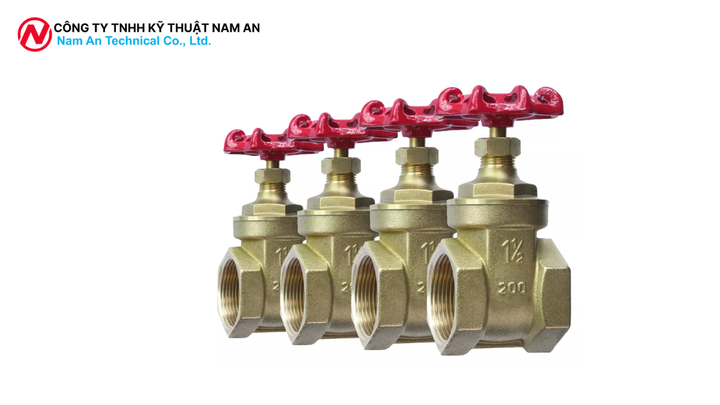
In the Oil and Gas Industry
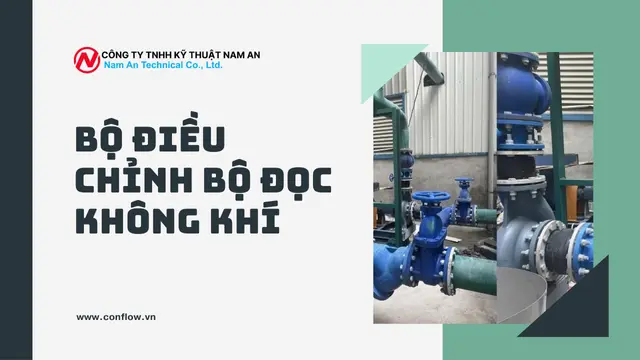
Valves are one of the important devices in the oil and gas industry, especially in oil and gas transportation piping systems. Valves help control the flow of oil and gas, ensure system safety and minimize incidents. Using valves helps optimize operating processes and maintain efficient system operation.
In the Electricity Production Industry
In the electricity production industry, valves help control pressure and flow in boiler systems and related equipment. Valves play an important role in regulating steam and liquid in systems, helping to maintain performance and protect equipment from incidents due to excessive pressure.
In the Water Treatment Industry
Valves are indispensable devices in water supply and drainage systems. They help regulate and control the flow of water in treatment systems, while protecting equipment in the system from incidents due to unstable pressure.
In the Food and Pharmaceutical Industry
In the food and pharmaceutical industry, valves help control the flow of liquids or gases in production systems. Maintaining precise flow is very important to ensure product quality and meet strict hygiene standards.
Why Choose NAM AN ENGINEERING CO., LTD.?
NAM AN ENGINEERING CO., LTD. specializes in providing high-quality valve products, helping to optimize systems and improve operating efficiency. We are committed to providing the best products and services to meet customer needs.
Guaranteed Product Quality
All of our valve products are strictly quality tested and meet international standards. With durable materials and modern designs, NAM AN ENGINEERING CO., LTD.'s products will help you operate your system safely and efficiently.
Consulting Services and Technical Support
Our team of experts is always ready to advise and support customers in choosing the right valve for the needs of the system. We provide equipment installation, maintenance and repair services, ensuring the highest customer satisfaction.
Contact Us
If you need high-quality valves for your system, please contact NAM AN ENGINEERING CO., LTD. to receive dedicated advice and detailed quotes.
Hotline: +84-28-22531286 - +84-28-22531285
Address: 67 Mai Chi Tho Avenue, Binh Trung Ward, Ho Chi Minh City
Email: sales@naman-tech.vn
Website: https://conflow.vn