


Danh mục
Thương hiệu
Lọc theo giá
The ON-OFF control valve, a fundamental component in industrial automation, plays a crucial role in regulating fluid flow. Its simplicity and reliability make it a ubiquitous choice across a wide spectrum of applications, from basic process control to critical safety systems. This article delves into the intricacies of ON-OFF control valves, exploring their design, operational principles, advantages, limitations, and their significant impact within the industrial landscape.
Understanding ON-OFF Control Valves
At its core, an ON-OFF control valve operates on a binary principle: it is either fully open or fully closed. There are no intermediate positions, meaning it either allows unrestricted flow or completely stops it. This distinct characteristic differentiates it from modulating or proportional control valves, which can be adjusted to maintain flow at specific levels between fully open and fully closed states. The primary function of an ON-OFF valve is to act as a gatekeeper, initiating or halting a process based on predefined conditions or signals.
Operational Principles
The operation of an ON-OFF control valve is typically triggered by an external signal, often from a controller, sensor, or manual switch. When the control signal is received, the valve actuator responds by moving the valve element (such as a ball, plug, or disc) to either the open or closed position. This movement can be achieved through various actuation methods, including:
- Solenoid Actuation: Electrical solenoids are commonly used for smaller ON-OFF valves. When energized, the solenoid creates a magnetic field that moves a plunger, opening or closing the valve. When de-energized, a spring typically returns the valve to its default position (either normally open or normally closed).
- Pneumatic Actuation: These valves use compressed air to operate. A diaphragm or piston is moved by air pressure, which in turn operates the valve stem. Solenoid pilot valves are often used to control the flow of air to the actuator, thereby controlling the valve's ON-OFF state.
- Electric Actuation: Electric motors can also be used to drive the valve mechanism. These are often found in larger valves or where precise control over the speed of opening/closing is required, although the fundamental operation remains ON-OFF.
Types of ON-OFF Control Valves
While the fundamental principle is the same, ON-OFF control valves come in various configurations to suit different applications:
- Ball Valves: Featuring a spherical closure element with a bore, ball valves offer quick operation and excellent sealing. When the bore is aligned with the pipe, the valve is open; when rotated 90 degrees, it is closed. They are highly durable and suitable for a wide range of pressures and temperatures.
- Gate Valves: These valves use a flat or wedge-shaped gate that slides into or out of the flow path. They are designed for full flow when open and tight shut-off when closed. However, they are not ideal for throttling or frequent operation due to potential wear.
- Butterfly Valves: Characterized by a disc mounted on a shaft, butterfly valves offer quick quarter-turn operation. They are often used for larger pipe diameters due to their lightweight and compact design. While primarily used for ON-OFF service, some designs allow for limited throttling.
- Diaphragm Valves: A flexible diaphragm is used to open or close the valve. They are particularly well-suited for handling corrosive or abrasive fluids, as the diaphragm isolates the valve mechanism from the process fluid.
- Solenoid Valves: These are typically compact, electrically operated valves commonly used for smaller flow rates and fast switching. They are often found in applications like water control, gas lines, and automated equipment.
Advantages of ON-OFF Control Valves
The widespread adoption of ON-OFF control valves stems from a number of significant advantages:
- Simplicity and Reliability: Their straightforward design with only two operating states leads to high reliability and a reduced likelihood of mechanical failure. This makes them ideal for critical applications where consistent performance is paramount.
- Cost-Effectiveness: Compared to modulating valves, ON-OFF valves are generally less expensive to manufacture and purchase. Their simpler design often translates to lower maintenance costs as well.
- Fast Response Time: Many ON-OFF valves, particularly solenoid and ball valves, can transition between fully open and fully closed states very rapidly, which is essential for quick process control and safety interlocks.
- Effective Shut-off: When properly specified and maintained, ON-OFF valves provide a positive and tight seal, preventing any flow when in the closed position. This is crucial for applications requiring complete isolation.
- Ease of Operation: The binary nature of their operation simplifies control system design and troubleshooting.
Limitations of ON-OFF Control Valves
Despite their advantages, ON-OFF control valves are not suitable for all situations:
- Inability to Modulate Flow: The most significant limitation is their inability to control flow rates precisely. They cannot maintain a specific intermediate flow, which is required in many processes for fine-tuning or maintaining steady conditions.
- Water Hammer Effect: Rapid closure of ON-OFF valves, especially in liquid systems, can cause a pressure surge known as water hammer. This can damage piping, valves, and other equipment. Careful selection of valve type and actuator speed is necessary to mitigate this.
- Erosion and Wear: Operating valves in a partially open position for extended periods (even unintentionally) can lead to erosion and wear, particularly in high-velocity applications. This is why they are best suited for full open or full closed service.
- Limited Control Precision: For processes requiring precise flow rate control, ON-OFF valves are inadequate. They are more suited for on/off applications or as part of a larger control loop where their ON-OFF action triggers other events or adjustments.
Applications in Industrial Settings
ON-OFF control valves are integral to numerous industrial processes. Their versatility allows them to be employed in a wide range of sectors and applications:
- Process Control: In chemical plants, refineries, and food processing facilities, ON-OFF valves are used to start or stop the flow of raw materials, intermediates, or finished products. They are often used in batch processes where a step needs to be initiated or terminated.
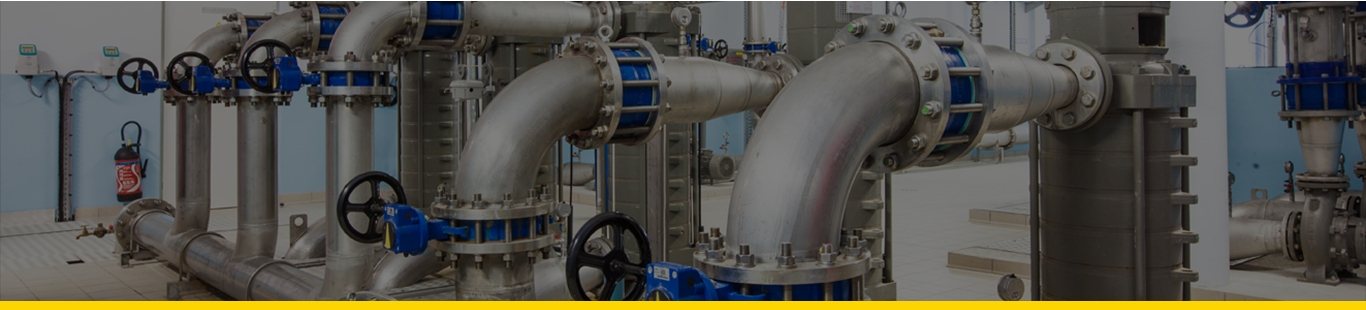
- Water and Wastewater Treatment: They are essential for controlling the flow of water in purification systems, managing effluent discharge, and operating treatment stages.
- HVAC Systems: In heating, ventilation, and air conditioning systems, ON-OFF valves regulate the flow of steam or chilled water to heat exchangers or air handlers, typically controlled by thermostats.
- Safety Systems: Emergency shutdown systems (ESD) frequently utilize ON-OFF valves to rapidly isolate hazardous process streams in the event of an abnormal condition.
- Utility Lines: ON-OFF valves are used to control compressed air, steam, or inert gases to various equipment and processes.
- Automotive Manufacturing: They can be found in assembly lines for controlling fluid dispensing, welding processes, and other automated operations.
Selecting the Right ON-OFF Control Valve
Choosing the appropriate ON-OFF control valve involves considering several critical factors to ensure optimal performance, longevity, and safety:
- Fluid Properties: The type of fluid (liquid, gas, steam), its viscosity, corrosivity, temperature, and presence of solids will dictate the material of construction and valve type.
- Pressure and Temperature Ratings: The valve must be rated to withstand the maximum operating pressure and temperature of the system.
- Flow Rate and Size: The required flow rate and pipe size will determine the nominal valve size and flow coefficient (Cv).
- Actuation Method: The choice between solenoid, pneumatic, or electric actuation depends on power availability, speed requirements, and system design.
- Environmental Conditions: The surrounding environment (e.g., hazardous area, extreme temperatures) will influence the required enclosure rating and material selection for the valve and actuator.
- Control Signal: Compatibility between the valve's actuator and the control system's output signal is essential.
- Fail-Safe Position: For safety-critical applications, it's crucial to specify whether the valve should fail open or fail closed upon loss of power or control signal.
The Role of Nam An Engineering Company
In the realm of industrial automation, reliable and correctly specified control valves are paramount. Companies like CÔNG TY TNHH KỸ THUẬT NAM AN play a vital role in providing businesses with the necessary equipment and expertise. Specializing in the supply of industrial valves, ancillary equipment for factories, and measurement and control devices, Nam An Engineering offers a comprehensive range of solutions. Their product portfolio often includes essential components like various types of industrial valves, automatic pressure reducers, system components, heat exchangers, and positioning accessories, as well as separators, air vents, and booster pumps. Beyond product supply, Nam An Engineering also offers crucial services such as technical solutions, installation, and maintenance of control and industrial automation systems. This holistic approach ensures that clients receive not only high-quality ON-OFF control valves but also the support needed for seamless integration and long-term operation.
Conclusion
The ON-OFF control valve, despite its binary operation, remains an indispensable element in the landscape of industrial automation. Its reliability, cost-effectiveness, and speed make it an ideal choice for applications demanding straightforward flow control or complete shut-off. While it lacks the finesse of modulating valves, its distinct advantages ensure its continued relevance in a vast array of industrial processes, from fundamental operations to critical safety functions. Understanding its principles, benefits, and limitations is key to selecting and implementing it effectively, thereby contributing to the efficiency, safety, and productivity of modern industrial operations.
Thông Tin Liên Hệ:
CÔNG TY TNHH KỸ THUẬT NAM AN
Địa chỉ: 67 Đại lộ Mai Chí Thọ, Phường Bình Trưng, Thành phố Hồ Chí Minh, Việt Nam
Hotline: 028-22531286
Điện thoại: 028-22531285
Email: sales@naman-tech.vn
Website: https://conflow.vn